What should you keep in mind when growing cannabis?
Growing your own cannabis is a very rewarding adventure that doesn’t have to be difficult. It actually has many advantages; since you will know exactly what you consume, you will be self-sufficient and you will always have marijuana on hand without spending a lot of money.
It is also a tremendously fun hobby that allows you to learn, experiment and reconnect with nature, ultimately becoming a process of personal growth.
Above all, by growing your own cannabis you can be part of this new revolution that the world of marijuana has become, being a member of a movement that fights to eliminate the stigma of this plant after decades of prohibition.
But before starting a crop, you need to take into account a number of things.
Considerations for cultivating cannabis
Cannabis is a plant species with flowers that can be male or female. In its natural habitat, male plants pollinate female plants to perpetuate their lineage by producing seeds. However, most growers prevent their females form being pollinated in order to produce seedless buds -or sinsemilla- for consumption.
There are three main families of cannabis seed: Regular photoperiodic seeds, Feminized photoperiodic seeds, and Autoflowering nonphotoperiodic seeds.
Photoperiodic means that flowering is induced by the number of hours of light the plant receives each day. Regular photoperiodic seeds will also contain a mixture of males and females. This is a great choice if you are interested in breeding cannabis yourself.
Feminized photoperiodic seeds are produced in a way that all of the seeds are female, eliminating the need to cull males.
Autoflowering nonphotoperiodic seeds are special genetics which have been bread to begin flowering at a certain time – rather than waiting to be triggered by the number of ours in the day. These are particularly helpful for people who live in climates with short growing periods, or other conditions not normally considered ideal for growing cannabis.
In nature, cannabis plants are born, grow, and die annually, beginning their cycle in the spring and reaching their peak of maturity in the fall. Although the length of the life cycle can vary greatly depending on your genetics.
Outdoor or indoor?
Choosing the best space is an essential part of growing cannabis. And you have 3 options: indoors, outdoors or a mixture of both, such as in greenhouses.
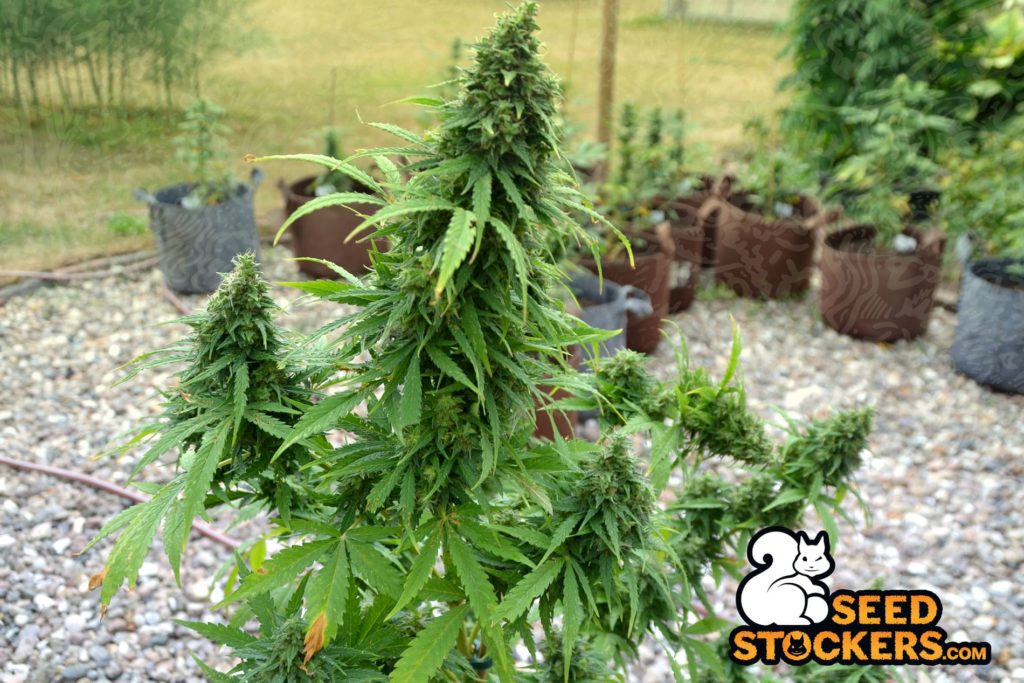
Growing outdoors allows you to harness the natural energy of the sun, but you have no control over the climate. Also, these crops are likely to be less inconspicuous, which can be problematic in places where cannabis is illegal.
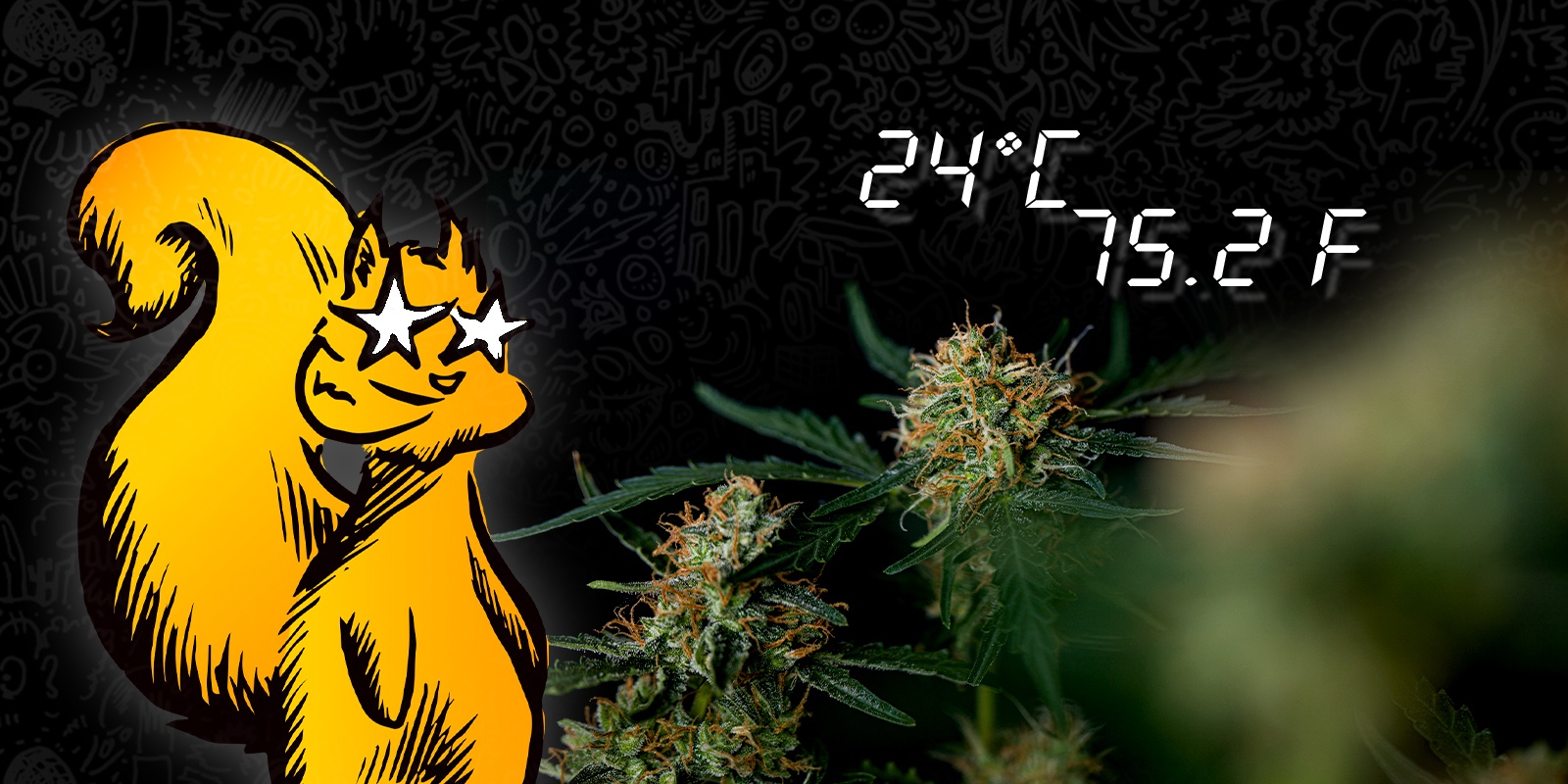
Indoor cultivation, above all, allows you to adjust different parameters (such as temperature, humidity or lighting) so that the plants develop in a more optimized way. However, it has a higher cost as it is necessary to invest in electricity and the necessary equipment.
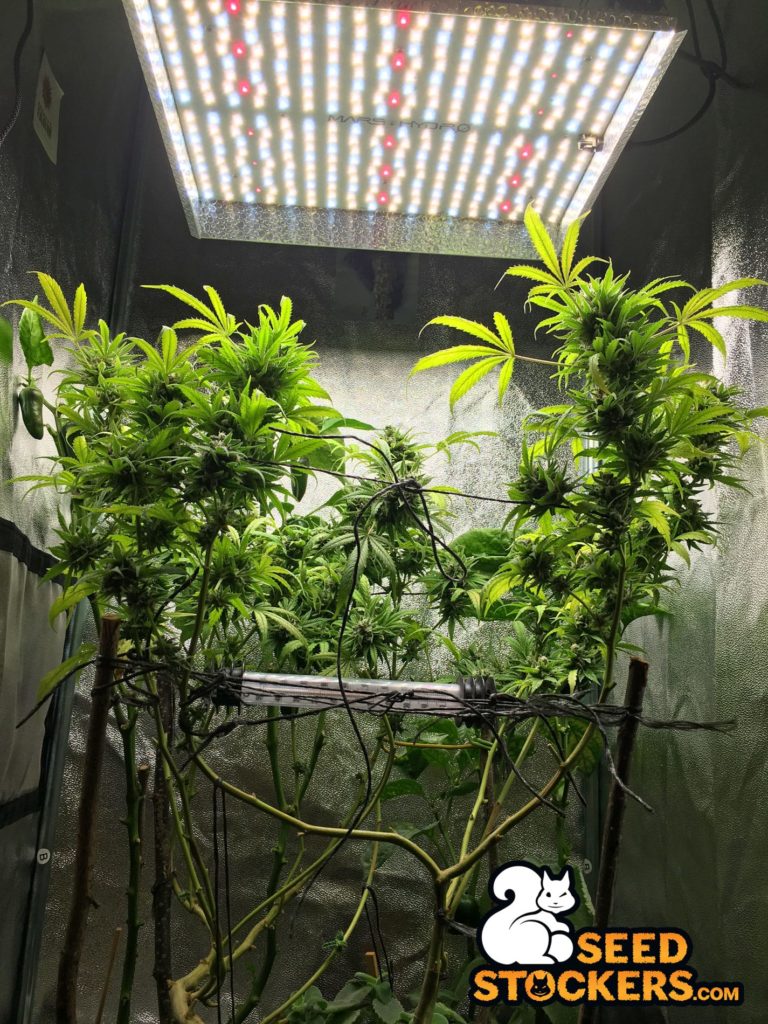
Growing outdoors allows you to harness the natural energy of the sun, but you have no control over the climate. Also, these crops are likely to be less inconspicuous, which can be problematic in places where cannabis is illegal.
Choose the right strain
There are many varieties of cannabis, so it is necessary to choose the one that best suits your circumstances.
Always invest time in choosing your seed and where it comes from. It’s important to purchase seed from a reliable vendor in order to assure good breeding practices, in terms of sustainability, ecology, quality and skill of the breeding techniques.
Remember that some genetics are bred in order to maximize flavour production, and others are breed in order to maximize the production of specific cannabinoids; THCa, CBDa, or THCVa are examples.
Still, other genetics are breed in order to maximize yield, and of course most of the quality genetics on the market are all trying to get the perfect balance between all of these parameters.
It is a good idea to pay attention to the detail given by your seed vendor. A good seed vendor will provide details on expected harvest, and whether or not the plant is best suitable for outdoor or indoor grow.
As the vendor will undoubtedly be very familiar with the genetics they distribute they will give descriptions of expected cannabinoid potency as well as terpenes and terpenoids that are often produced by that genetic.
You can use all of this information to make the best decision based on the needs and conditions of your cultivation.
What is the best method to grow weed?
Cannabis can be grown in many ways and it is important to choose the one best suited to your abilities.
There is not any specific “best method,” and in fact there is a very wide number of cultivation techniques that well end in the most prized and premium of harvests.
The most common method for most cultivators is soil in a pot. Remember to provide about 4L of soil space per month your plant will be growing.
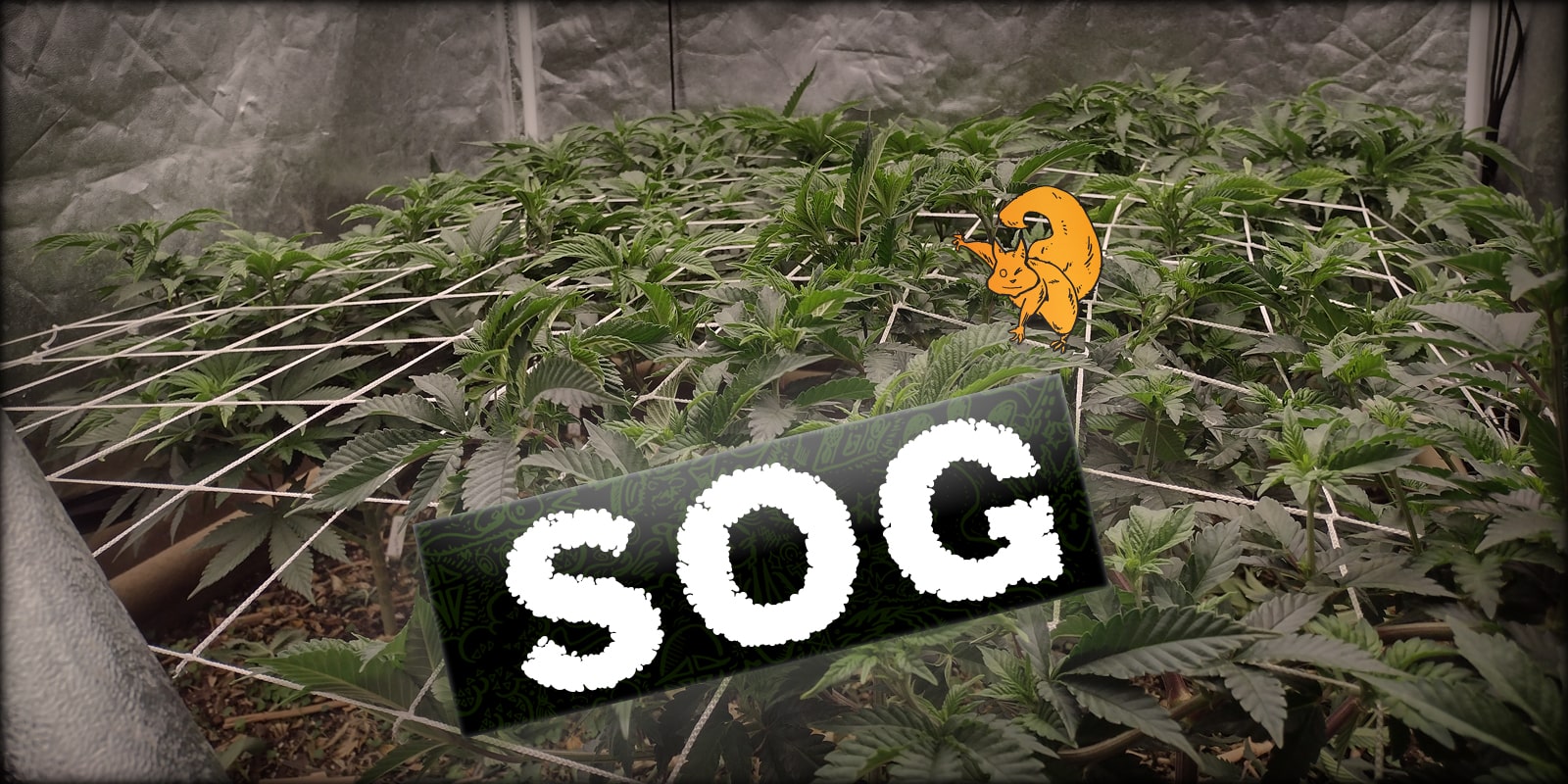
Some growers may choose to grow their plants in different media, such as coconut fiber, hydroton, deep water culture, rockwool, aeroponic trays or SCROG, which are all examples of non-soil substrate farming. Although beginning growers are generally advised to start with soil-based methods for its greater simplicity.
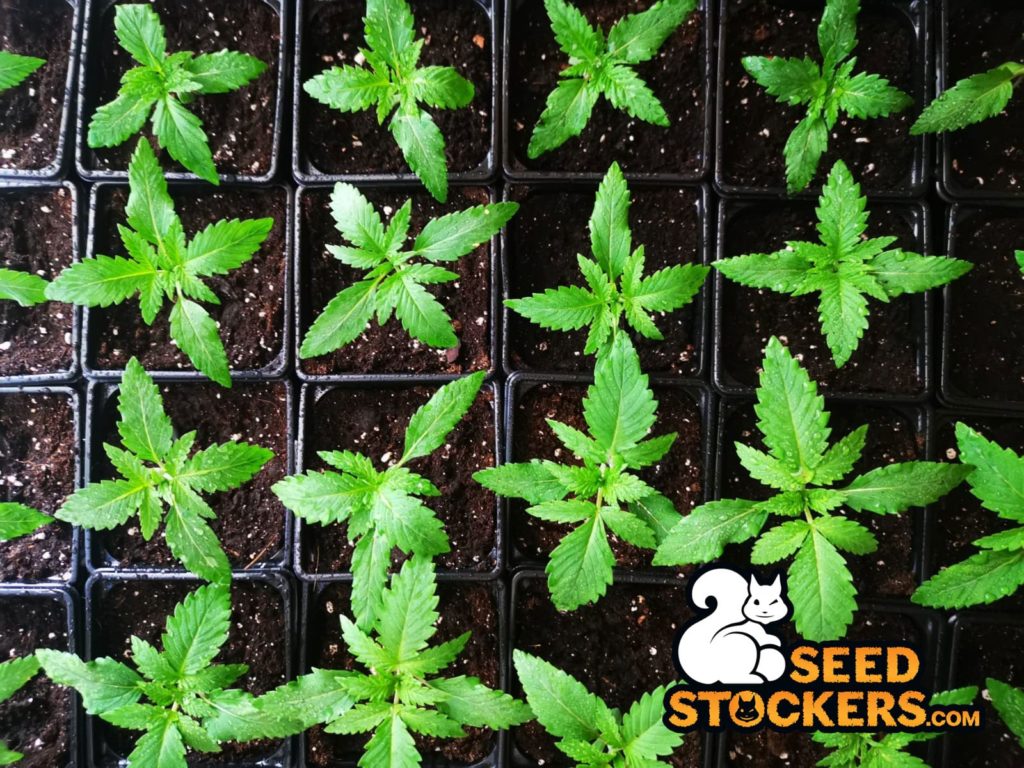
Cannabis can be grown in many ways and it is important to choose the one best suited to your abilities.
Water
Giving a plant the right amount of water will depend on several factors, such as its size, the outside temperature, or the growth stage.
There is no exact science for watering; But a common mistake is to overdo it, as the roots absorb oxygen as the substrate dries out and when it is too wet, the plant is essentially unable to “breathe.”
When a plant suffers from a lack of watering, it looks droopy and weak, with yellow or brown leaves. But a plant with excess water looks similar, except that the leaves are dark green and the tips of the leaves are curled.
If your plant is in a pot, the easiest way to determine whether or not it needs to be water is by checking its weight. When a plant weighs about half it does when its fully saturated with water, its time to water.
During the early stages of vegetation, you might want to push things a little bit further in order to encourage the roots to grow and search for water – but be careful. When you do decide to water your plant, make sure to water it thoroughly, and allow up to 15% volume of your container size worth of water run off from the bottom.
Light Sources
If you grow indoors, artificial lights will replace the sun. Cannabis plants need a lot of light (up to 18 hours a day), but also quality light, so you have to know how to choose between different types of lamps:
- Compact Fluorescent Lights (CFL): They are cheap and are often used in very small spaces. These lights are ideal for maintaining mothers or producing clones, and might even be found in vegetative spaces but are not ideal for flowering cannabis as they lack intensity.
- HID (High Intensity Discharge) lights, such as Metal Halide (MH) and High Pressure Sodium (HPS) – are relatively inexpensive and one of the most popular options for indoors, and for good reason. For many decades these have been the standard for award winning cannabis production. Because they have different spectrums, MH bulbs are often used for vegetative cycle, while HPS bulbs are used during flowering. The biggest downside to these bulbs is their cost of electricity as well as their need to be air conditioned or ventilated – they produce a lot of heat.
- CMH / LEC (ceramic metal halide) lights: These are new technology representing a new generation of agricultural tech. Developed by Philips lighting, CMH has become the standard for many greenhouse cultivation as well as at home cultivation for producing the best buds, for the cheapest cost to operate. In fact, you’re not sacrificing any quality of bud or harvest at all with the lower heat production. The efficiency in light production instead of heat production means that these lights produce the highest potency, most flavorful buds, with the biggest yield potential per watt of electricity consumed.
- LED lights: LED’s are another light of the future. For now, for various reasons they are best for vegetation, mothers, and clones, but many people have success flowering with them as well. Their biggest appeal is their lack of extreme heat production and low cost of electricity consumption. Unfortunately the best LED systems are often well out of the price range of hobbyist farmers.
Nutrients, Pathogens, and Pests
Cannabis can suffer from a wide variety of pests and diseases. In addition, it also has nutrient, light and water requirements for them to grow strong and healthy.
The 3 basic nutrients are nitrogen, phosphorus and potassium (NPK). There are other micro-nutrients necessary for robust growth, such as calcium, sulfur, magnesium, manganese, boron, copper, and iron.
Failure to apply the correct proportions of these nutrients can lead to deficiencies including signs such as paler leaves, stunted growth, curled leaves, and other malformations. It may seem that if you feed your plant with more nutrients, it will get better results; But the most important lesson is that generally “less is more.”
Most commercial soils will already contain a substantial amount of nutrient, however there are a wide variety of products available to supplement your soils nutrient depletion. Its a good idea to wait for the plant to ask for it, before deciding a supplement is needed.
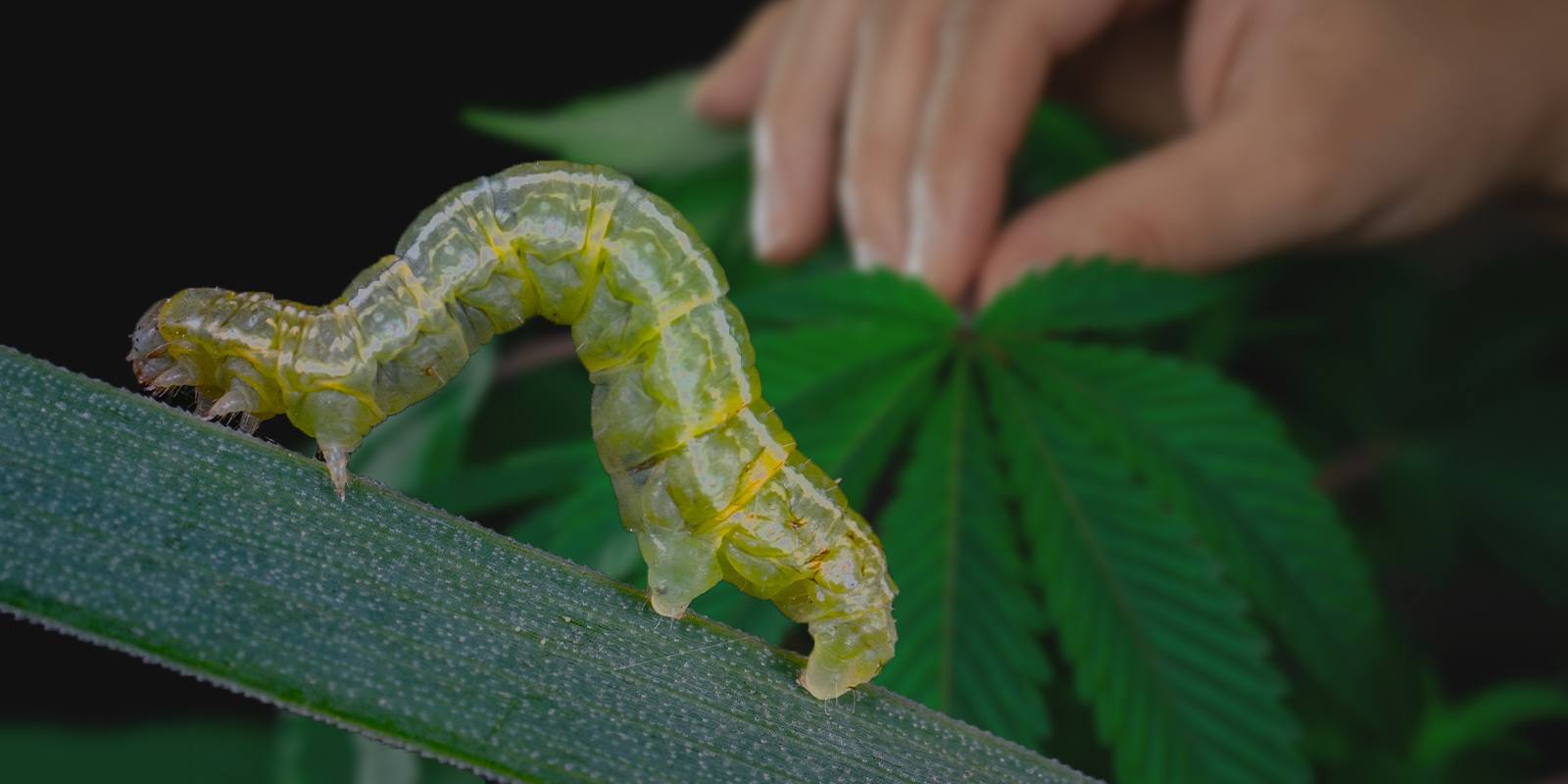
Pests, for their part, range from different types of insects (such as aphids, thrips, spider mites, whiteflies, caterpillars…) to a wide variety of fungi (powdery mildew, botrytis, mildew, fusarium…). Some symptoms are bite marks, suction marks, twisted leaves, spots / dust on the plant surface, brown shoots or weaker stems.
Almost all pests can be treated with pesticides and fungicides, although the most sustainable and ecological methods are biological control with beneficial insects (such as ladybugs, lacewings or nematodes) that fight face-to-face with these annoying visitors. Remember: the enemies of my enemies are my friends.
Cannabis can suffer from a wide variety of pests and diseases. In addition, it also has nutrient, light and water requirements for them to grow strong and healthy.
When to Harvest Cannabis
Lastly, before you start growing cannabis, you have to be sure what to do when to harvest cannabis.
After months of waiting, it’s easy to get carried away and harvest your plants too early, resulting immature cannabis with less flavour and less potency. Harvested too late, cannabinoids and flavour compounds will degrade into other compounds entirely.
Wait until the buds stop developing new white “hairs” (pistils): When most of them have darkened and when the calyxes have fattened, the plant is ready.
You can get even more accurate results by looking at the trichomes, as they turn a milky white when they have reached their full strength.
After you have cut the buds, you should dry them, cure them and store them to guarantee a quality result.